

PART TIME, ONLINE CAREER ACCELERATOR FOR
CHARACTER ARTISTS
Learn and apply the skills you need to start a career in games online and from the comfort of your own home.
CAREER SUPPORT
We provide each of our immersive graduates with access to job readiness training, connections to employers, and opportunities to hone new skills.
Former 3D Artist
Lawrence Kameen
Graduate Of The Character Artist Bootcamp
Now A Character Artist At SIE San Diego Studio
”It’s been one hard, long, tiring journey, and I’ve thought about packing it up, calling it quits more times than I can remember over those years, but I knew one day my hard work would pay off, and today it did.
Lawrence KameenCharacter Artist At SIE San Diego Studio
Our Graduates Work At









DEEP DIVE INTO THE JOB OF BEING
A CHARACTER ARTIST
It’s an exciting prospect, isn’t it? Creating art for a living. Every day you go into work, get your coffee, chat with friends and then sit at your desk and just create… all day…
In the videos below, our founder, takes you through a few technical elements of being a Character Artist in the Game Industry. You don’t need to know all of this. You don’t need to be a master. You only need to be willing to do the work and to pick up a few pieces of knowledge along the way.
Where Do Digital Sculptors Fail?
In ever field, there is a DIP. A place where things get so hard that some people fail. For doctors, the DIP is Organic Chemistry. For Character Artists, the DIP is all the non-ZBrush stuff they have to do! Check out the video below:
I’VE NEVER TRIED SUBSTANCE PAINTER…
Worried about your skills? Not sure if you can produce amazing results? Check out the video below to see the three simple steps you can take to level up your texture work!
WHAT DOES A CHARACTER ARTIST DO?
Enjoy this excerpt from our webinar with Marcin Klicki of CD Projekt Red, the makers of Witcher, as he tells you what you really need to know about getting a job in the game industry.
PART-TIME, ONLINE GAME ARTS CAREER ACCELERATOR
COURSE TIMELINE
We teach the skills you need to kickstart your career as an artist and a lifelong learner. From anatomy fundamentals to 3D modeling tools to game engines, you'll learn to create game art while mastering Pipeline and best practices.
Weeks 1-4: Build The Foundation
In the first four weeks, we focus on building the foundational skills to achieve success as a game artist. We do this by focusing on a single prop and building it up to a level of authenticity.
Week 5 – 9: Build Your Character
You will learn game arts best practices and tools by building your own character using the skills and software learned throughout the class such as ZBrush, Marvelous Designer, Maya.
Week 9 – 13: Build Your Textures, Materials & Rendering Assets
Utilize the latest software to develop your rendering, materials and texturing assets. Use software like Mari, Substance Painter, Marmoset and other tools to finalize your in-game model.
Week 14+: Build You
Building your skills as a game artist is not only about learning artistic and technical skills but also about soft people skills. We’ll train you in making tutorials, brand management and job search strategies to help you stand out above the rest
Build Your
Portfolio
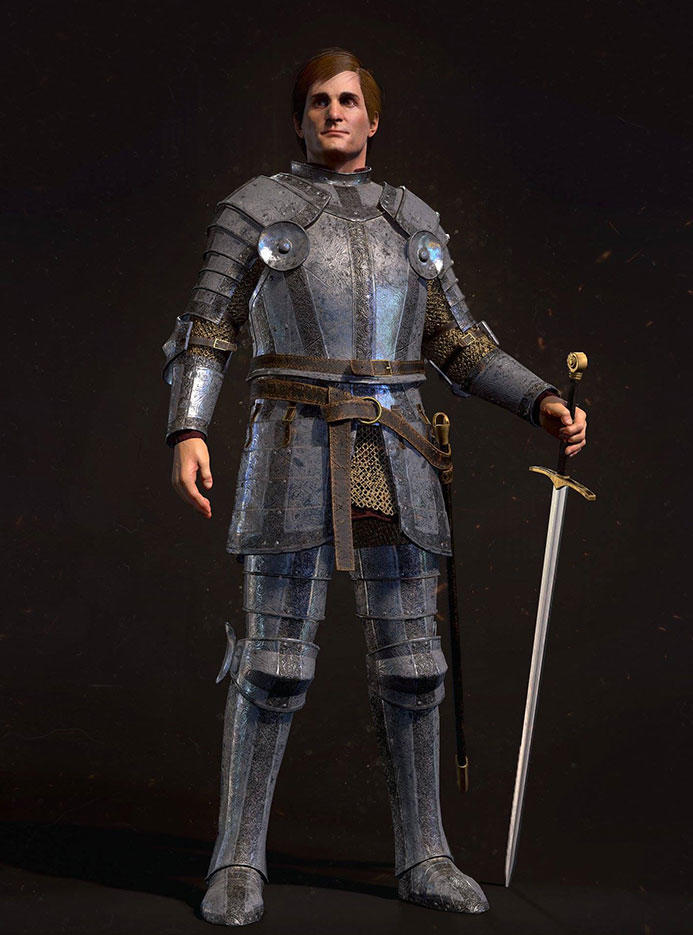
You’ll complete several projects, including a primary portfolio project that will help you begin your job search with confidence. Check out an example of a project from Mohammad Asraf.
Brief
Create warrior to fit within the God Of War or Witcher worlds.
Assets
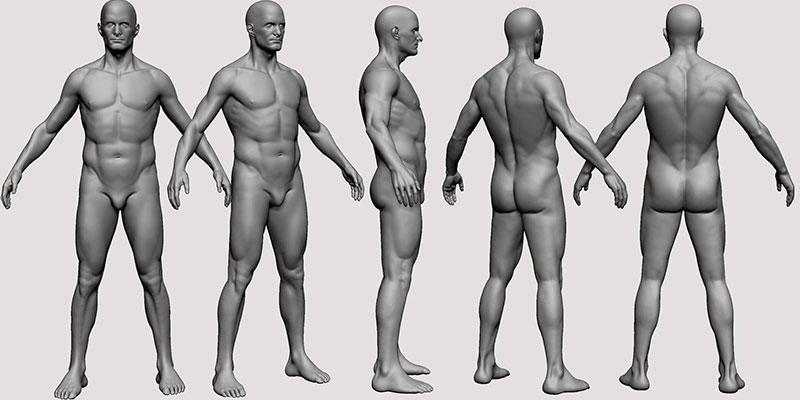
- Male base mesh via ZBrush
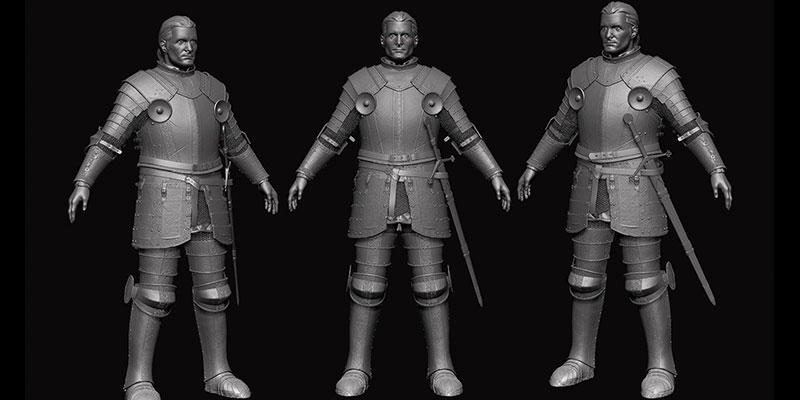
- Armor & Accessories via Maya & ZBrush
- Texturing via Substance Painter
- Materials via Marmoset
Process
The Figure
Using Maya, ZBrush and Marvelous Designer, Oceane created the high resolution design sculpt. With feedback she was able to increase her level of realism and create more detailed accessories.
Clothing & Props
Oceane optimized the mesh and generated the maps using a few different software tools including Maya, ZBrush and Handplane 3D.
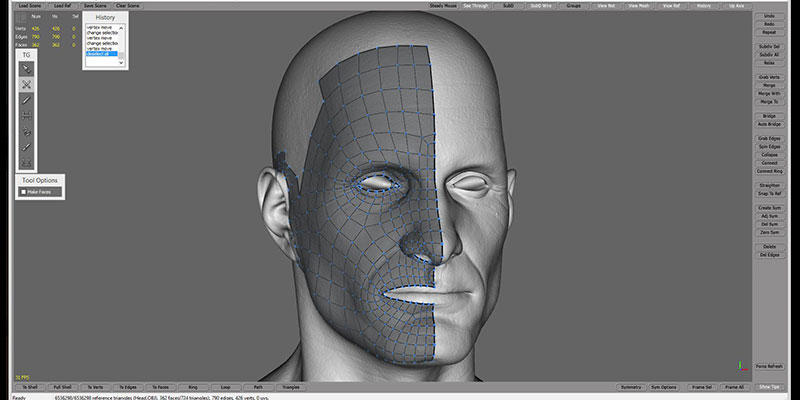
Topology & UVs
Oceane created the texture in Substance Painter, which was new to her and rendered it in Marmoset using PBR materials and submitted it for a job opening during that last week of the Bootcamp.
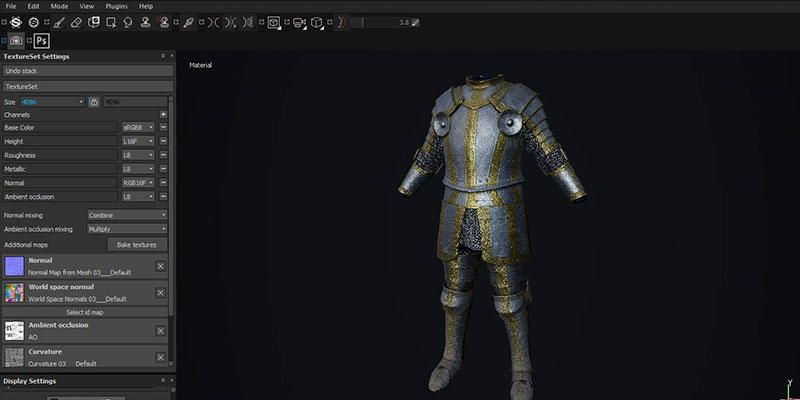
Real Time Materials
Use this text to describe your feature in detail. Visitors enjoy reading well written, descriptive copy about specific features of your product.
GET ANSWERS
We love questions, almost as much as we love providing answers. Here are a few samplings of what we’re typically asked, along with our responses:
Why are these skills relevant today?
There’s never been a better time to be a well-trained 3D Artist. The Game industry is growing and offers stable employment for artists trained in anatomy and the latest software.
What practical skill sets can I expect to have upon completion of the course?
By the end of this course you’ll be able to:
- Understand the fundamental anatomy of the human body.
- Develop complete characters using the latest pipeline tools such as Mari and Substance Painter.
- Insert your character in a game engine with all the data, maps, and materials needed to showcase your skills.
- Problem solve within Maya, ZBrush, Substance Painter, Marvelous Designer and more.
Who will I be taking classes with?
Our students are artists, engineers transition into the arts, people just out of college, people who couldn’t afford to go to college, vfx artists, baristas – artists who, just like you, have a passion for creating characters for the film and game industry.
What can I expect to accomplish by the end of this course?
By the end of the course, you will have:
- Completed one primary portfolio project.
- Learned about character creation from experienced game artists.
- Prepared yourself with the foundational knowledge you need to begin a career of continuous learning.
What are my financing options for an immersive program?
We don’t want financial obstacles to getting in the way of achieving your dream job so we offer payment plans for those who qualify. Note, you must first be accepted into the program before applying for financing.
What is the difference between the Bootcamp and the Immersive?
The Immersive is in-person. The Bootcamp is online. The immersive is also over 520 hours of training while the bootcamp is over 40 hours of training.